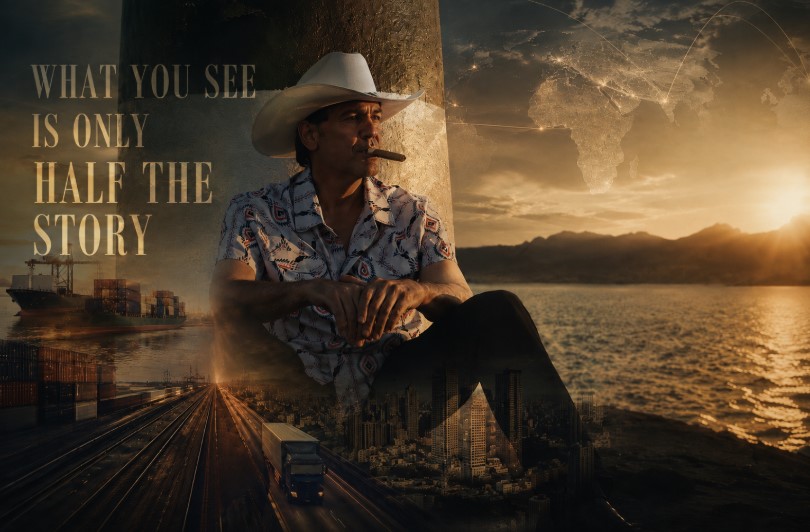
An interview with Lance Hoovestal on globalization, hidden forces, and the risks that define our era
LAS VEGAS, NV, UNITED STATES, October 23, 2026 /EINPresswire.com/ — Lance Hoovestal‘s book explores nuclear threats, nationalism, economic inequality, ad the systems shaping modern civilization.
Lance Hoovestal’s book, The Deep Now Project: Nuclear Threats, Extreme Nationalism, Class Conflict, and the Fight to Save Civilization, examines how political, economic, technological, and social forces interact to shape contemporary global challenges.
The book builds on Hoovestal’s earlier work, Globalization Contained, which examined the shipping container’s influence on global trade and U.S.-China relations and later became the documentary America Boxed In. In The Deep Now Project, Hoovestal extends his interest in interconnected systems to a broader examination of risks facing modern societies.
A central element of the book is Hoovestal’s “Six Horsemen of the Apocalypse” framework, which identifies six areas of concern: nuclear weapons, extreme nationalism, globalism, runaway economic growth, class conflict, and destructive ideas. The framework considers how these forces can interact, influence one another, and contribute to wider social and geopolitical instability.
Rather than treating these subjects as isolated issues, Hoovestal examines the underlying structures, incentives, and dependencies that connect them. The book considers how international relationships, economic pressures, political movements, and technological networks can create vulnerabilities that extend beyond individual events or national boundaries.
The concept of the “Deep Now” refers to the underlying systems that shape the present. According to Hoovestal’s approach, understanding these structures requires looking beyond immediate headlines to examine the historical conditions, institutional arrangements, and human decisions that influence current events.
The book also addresses human agency, considering how individuals, institutions, and coordinated efforts can influence complex systems. Hoovestal argues that recognizing the points at which systems can change is an important part of understanding both the risks they present and the opportunities for improvement.
The Deep Now Project does not present its framework as a prediction of inevitable civilizational collapse. Instead, it examines relationships among major global challenges and encourages readers to consider the structures and feedback loops that influence how those challenges develop.
The book continues Hoovestal’s exploration of systems thinking, extending his earlier examination of global supply chains into questions involving international security, economic organization, political identity, and the broader conditions shaping modern life.
About Lance Hoovestal
Lance Hoovestal is the author of Globalization Contained and The Deep Now Project: Nuclear Threats, Extreme Nationalism, Class Conflict, and the Fight to Save Civilization. His work examines interconnected systems, globalization, and the structural forces that influence contemporary society.
About The Deep Now Project
The Deep Now Project: Nuclear Threats, Extreme Nationalism, Class Conflict, and the Fight to Save Civilization examines six interconnected areas of global risk through a systems-oriented framework. The book explores how nuclear threats, nationalism, globalism, economic growth, class conflict, and destructive ideas interact, with an emphasis on understanding the underlying structures that shape contemporary challenges.
Dan Wasserman
Evrima Chicago
Visit us on social media:
Instagram
Legal Disclaimer:
EIN Presswire provides this news content “as is” without warranty of any kind. We do not accept any responsibility or liability
for the accuracy, content, images, videos, licenses, completeness, legality, or reliability of the information contained in this
article. If you have any complaints or copyright issues related to this article, kindly contact the author above.

Media gallery